
Have you ever watched a martial arts movie and thought, “I wish I could do that”? Well, you’re not alone. Many adults see martial arts as something reserved for kids or elite athletes. But here’s a secret: adult martial arts is not only possible, but it’s also incredibly beneficial for your mind, body, and spirit. This isn’t about becoming the next action movie star but embracing a healthier, more empowered version of yourself through adult martial arts.
Martial arts offer a unique blend of physical exercise, mental discipline, and emotional growth. Whether you want to get in shape, relieve stress, or learn self-defense, adult martial arts is the perfect way to challenge yourself in a supportive environment. And the best part? It’s never too late to start.
In this article, we’ll dive into how you can make martial arts a part of your busy life and why it’s worth the effort. Here’s a sneak peek of what you’ll learn:
- The different styles of martial arts available and how to choose the right one for you.
- Practical tips for finding the perfect martial arts class that fits your schedule and goals.
- Strategies for balancing training with your work and family commitments.
- Simple ways to incorporate martial arts principles into your daily routine for improved health and well-being.
But how do you fit martial arts training into an already packed schedule? And what if you’re starting from zero fitness? Don’t worry, we’ve got you covered. Whether you’re a beginner or looking to get back into it after a break, we’ll show you how to seamlessly integrate martial arts into your lifestyle without feeling like another task on your to-do list.
Understanding the Basics of Adult Martial Arts
Getting started with adult martial arts might initially feel overwhelming. With so many different styles, how do you know which one is right for you? The key is understanding what each style offers and how it aligns with your fitness, self-defense, or mental discipline goals. Let’s break down the basics and explore the options available to you.
Exploring Martial Arts Styles
Martial arts is an umbrella term that covers a wide range of disciplines, each with its unique focus and techniques. There’s something for everyone, from striking to grappling, traditional to modern. The first step in your martial arts journey is to figure out what you’re looking for. Are you aiming to improve your physical condition, learn self-defense, or find a new way to relieve stress? Maybe you’re interested in the cultural aspects of martial arts. Whatever your reason, there’s a style that matches your interests.
Karate, Judo, Taekwondo: Choosing the right fit for your goals.
Each martial arts style has its strengths and focuses. Here’s a closer look at Karate, Judo, and Taekwondo to help you decide which might fit your goals.
Karate
This striking art from Okinawa combines punches, kicks, knee and elbow strikes. It emphasizes self-defense and discipline, making it a great choice if you’re looking to protect yourself or build confidence.
Benefits:
- Boosts self-confidence through mastery of techniques
- Improves physical fitness, focusing on strength and flexibility
- Teaches self-defense skills in a structured environment
Judo
Originating in Japan, Judo is a grappling art that focuses on throws and ground control. It’s ideal if you’re interested in close-quarters self-defense techniques or enjoy the physical and mental challenge of grappling.
Benefits:
- Enhances balance and reflexes through throwing and falling practices
- Builds mental toughness by facing opponents in close combat
- Promotes physical conditioning with a focus on agility and power
Taekwondo
A Korean martial art known for its high-flying kicks and agility. Taekwondo is perfect for those looking to improve their fitness levels flexibility, and learn striking techniques.
Benefits:
- Improves cardiovascular health with dynamic movement
- Increases flexibility through stretching and kicking drills
- Foster’s discipline and focus with patterns and forms practice
Choosing the right style depends on what you want to achieve. Do you see yourself breaking boards with precise strikes, or are you more interested in the strategic game of grappling? Perhaps the disciplined forms and powerful kicks of Taekwondo appeal to you. Consider these aspects when selecting a martial arts discipline.
Each martial arts style offers a unique path to achieving your fitness and self-defense goals. Karate is about striking with precision and power, Judo teaches you to use an opponent’s strength against them, and Taekwondo focuses on the art of kicking and agility. By understanding these differences, you can pick a style that resonates with your aspirations.
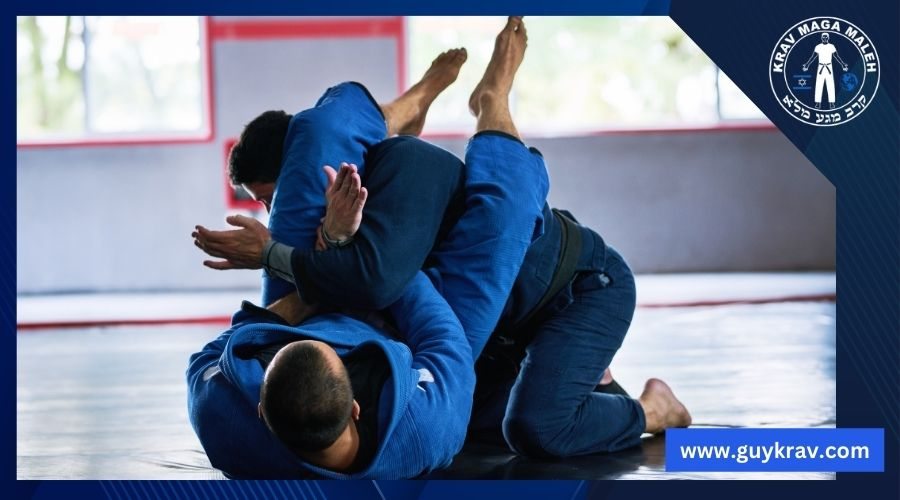
Brazilian Jiu-Jitsu and Muay Thai: Benefits of Grappling and Striking Arts
Brazilian Jiu-Jitsu is a grappling-based martial art focusing on ground fighting and submission techniques. It teaches practitioners to defend themselves against larger opponents using leverage and technique rather than brute strength. On the other hand, Muay Thai, known as the “Art of Eight Limbs,” is a striking art that uses fists, elbows, knees, and shins. It is celebrated for its power, efficiency, and simplicity.
Benefits of Brazilian Jiu-Jitsu:
- Develop problem-solving skills through live sparring (rolling).
- Enhances self-defense capabilities by focusing on realistic scenarios.
- Improves physical conditioning, particularly core strength and cardiovascular fitness.
Benefits of Muay Thai:
- Boosts overall fitness with high-intensity workouts.
- Sharpens reflexes and improves coordination through dynamic striking and defense.
- Cultivates mental toughness and resilience.
- Both disciplines emphasize continuous learning and personal growth, making them not just sports or hobbies but ways of life.
Physical and Mental Health Benefits
The practice of adult martial arts like Brazilian Jiu-Jitsu and Muay Thai brings many physical and mental health benefits. Engaging in these disciplines helps build a strong, flexible, and enduring body while fostering a resilient and focused mind.
Building Strength, Flexibility, and Endurance
One of the most compelling reasons adults take up martial arts is for the physical benefits, such as increased strength, flexibility, and endurance. These improvements benefit martial arts training and everyday life, making daily tasks easier and improving overall quality of life.
| Aspect | Brazilian Jiu-Jitsu | Muay Thai |
| Strength | Core, legs, back | All-around muscular strength |
| Flexibility | High | Moderate |
| Endurance | Moderate to high | High |
- Strength: BJJ practitioners often develop strong cores and lower bodies due to the grappling and ground-fighting nature of the sport. Muay Thai, meanwhile, offers a full-body workout, strengthening arms, legs, and core through its comprehensive striking and clinching techniques.
- Flexibility: BJJ’s various positions and movements encourage a greater range of motion, especially in the hips and shoulders, improving flexibility. While Muay Thai may not focus as heavily on flexibility, it still requires a good amount of flexibility in the legs and hips for effective kicking and kneeing techniques.
- Endurance: BJJ and Muay Thai require sustained effort over extended periods, significantly boosting cardiovascular endurance. Training sessions often involve rounds of intense activity followed by brief rest periods, mirroring high-intensity interval training (HIIT).
Stress Relief, Discipline, and Improved Focus
Engaging in martial arts is a powerful way to shed the day’s stress. The focused nature of training requires complete concentration, pulling your mind away from daily worries and onto the task at hand. This shift relieves stress cultivates a strong sense of discipline and sharpens your focus in and out of the dojo.
- Stress Relief
-
-
- Physical exertion releases endorphins, naturally improving mood.
- Meditative aspects of martial arts training encourage mindfulness, reducing stress.
-
- Discipline
-
-
- Regular practice instills a routine, fostering self-discipline.
- Setting and achieving goals through martial arts promotes a disciplined approach to challenges.
-
- Improved Focus
-
- Technique mastery requires and enhances concentration.
- Sparring sessions improve quick thinking and decision-making under pressure.
Starting Your Martial Arts Journey
Deciding to start your martial arts journey is the first step towards a healthier, more balanced life. Whether your goal is to improve fitness, learn self-defense, or simply try something new, martial arts offers a path for personal development. The key to success in martial arts lies in choosing the right style and finding a program that aligns with your goals, schedule, and values.
Finding the Right Martial Arts Program
With numerous options, selecting the right martial arts program can feel overwhelming. Here’s a quick checklist to help you find a program that fits your needs perfectly:
- Identify Your Goals: Are you looking for fitness, self-defense, or a new hobby? Knowing what you want to achieve helps narrow down your options.
- Research Schools and Styles: Look into schools that offer programs for adult beginners. Read reviews and attend a class to observe the teaching style and atmosphere.
- Consider the Location and Schedule: Choose a school that’s conveniently located and offers classes at times that fit your schedule. This ensures you can attend regularly without it being a hassle.
- Evaluate the Instructor’s Credentials: An experienced and qualified instructor is crucial for a rewarding martial arts experience. They should be skilled, approachable, and dedicated to their students’ growth.
- Check the Class Size and Composition: Smaller classes offer more personalized attention, which can be beneficial when starting.
- Assess the School’s Culture: The environment should be positive, supportive, and welcoming to all students. A strong community feel can greatly enhance your training experience.
Finding the right martial arts program is about more than just the style. It’s about finding a place where you feel comfortable, challenged, and motivated. The right school will teach you martial arts techniques and help you integrate discipline, focus, and physical fitness into your daily life.
Finding the right school is crucial When you embark on your martial arts journey. This process involves more than just picking the closest or cheapest option. Here’s how you can make an informed choice that will set you up for success in your martial arts training.
Researching Schools: Location, Instructors, and Class Schedules
Choosing the right martial arts school requires a bit of homework. Here are the key factors you should consider:
- Location: A convenient location increases the likelihood of regular attendance. Look for schools within a reasonable distance from your home or workplace.
- Instructors: The quality of instruction can make or break your martial arts experience. Research the instructors’ backgrounds, their experience, and teaching style.
- Class Schedules: Ensure the class times fit with your personal and work schedule. Consistent attendance is key to progress in martial arts.
By focusing on these aspects, you can narrow down your options to schools that not only offer the style you’re interested in but also match your logistical needs and learning preferences.
Trial Classes and School Environment: What to Look For
Most martial arts schools offer trial classes, a great opportunity to get a feel for the school’s environment and teaching style. Here’s what to pay attention to during your visit:
- Welcoming Atmosphere: The school should have a friendly and welcoming atmosphere. Notice how staff and students interact with each other.
- Cleanliness: A clean training area is essential for hygiene and safety. Check the mats, equipment, and changing rooms.
- Class Dynamics: Observe the class size and instructor-to-student ratio. Smaller classes often provide more personalized attention.
- Teaching Style: Pay attention to how the instructor communicates with students. Look for clear instructions and constructive feedback.
These observations help determine if the school fits your goals and learning style.
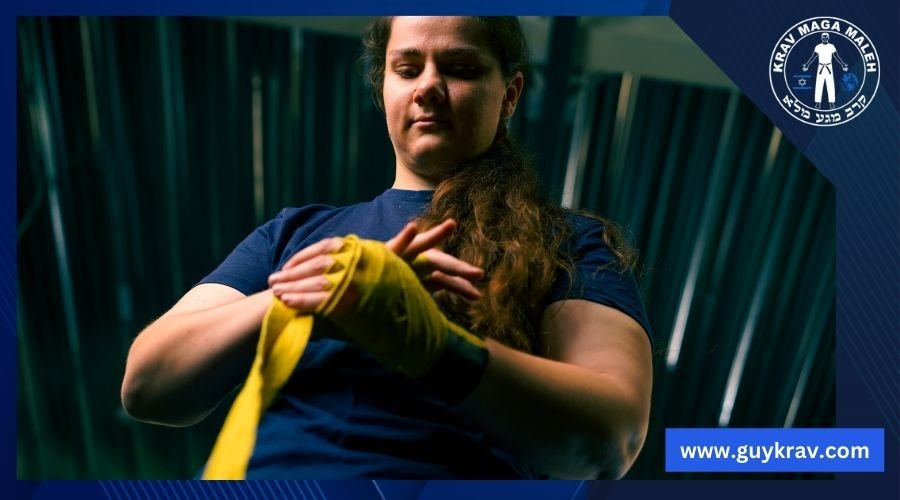
Preparing for Your First Adult Martial Arts Class
Once you’ve chosen a school, it’s time to prepare for your first martial arts class. Feeling nervous is normal, but knowing what to expect and how to prepare can help ease those jitters.
What to Wear
Most schools will provide information on the appropriate attire. Generally, loose-fitting, comfortable clothing is acceptable for your first few classes until you get your uniform.
Hydration and Nutrition
Drink plenty of water before class to stay hydrated. A light snack can also help keep your energy up an hour before training.
Arrive Early
Plan to arrive at least 15 minutes early. This gives you time to meet the instructor, familiarize yourself with the facilities, and warm up.
Mindset
Go in with an open mind and a positive attitude. Be ready to learn and don’t be afraid to make mistakes. Remember, every master was once a beginner.
As you prepare for your martial arts journey, having the right equipment is just as important as the physical and mental preparation. Let’s talk about the essential gear you’ll need and how to prepare yourself for this new challenge mentally.
Essential Gear: Uniforms, Protective Equipment, and Training Tools
Stepping into any martial arts class, you’ll notice that specific gear is required. This gear ensures safety and enhances the training experience. Here’s a breakdown:
- Uniforms
Most martial arts disciplines have specific uniforms, known as a Gi for Judo and BJJ or a Dobok for Taekwondo. These are designed to withstand the rigorous training sessions.
- Protective Equipment:
- Mouthguard: Protects your teeth during sparring sessions.
- Headgear: Offers protection during sparring, reducing the risk of head injuries.
- Gloves: Gloves protect your hands and wrists in striking arts like Muay Thai.
- Shin Guards: Essential for protecting your shins during kicking drills.
- Training Tools:
- Punching Bags: For practicing strikes and kicks.
- Focus Mitts: For accuracy and speed training.
- Skipping Rope: Excellent for warming up and improving footwork.
Mental Preparation: Overcoming Anxiety and Setting Expectations
Starting martial arts can be as much a mental challenge as a physical one. Here’s how to mentally prepare yourself and set realistic expectations:
Overcoming Anxiety
- Understand It’s Normal: Feeling nervous before your first class is normal. Remember, everyone starts somewhere.
- Breathe: Practice breathing exercises to calm your nerves before stepping onto the mat.
- Focus on Learning: Shift your focus from performing perfectly to learning and growing.
Setting Expectations:
- Be Patient with Yourself: Progress in martial arts takes time. Don’t expect to master techniques immediately.
- Celebrate Small Wins: Acknowledge your progress, no matter how small. Each step forward is an achievement.
- Stay Open-minded: Be ready to absorb new information and accept constructive criticism.
Integrating martial arts into your daily routine is a fantastic way to enhance your life, offering benefits beyond the dojo. It’s not just about the time spent training; it’s about adopting a martial arts mindset that influences your entire day.
Integrating Martial Arts into Your Daily Routine
Incorporating martial arts into everyday life can initially seem daunting. Still, with some creativity and commitment, it becomes a seamless part of your routine.
Morning Rituals
- Start your day with stretching or a brief yoga session to improve flexibility and focus.
- Visualization techniques can help prepare your mind for the day ahead, imagining successful outcomes in training and daily tasks.
Workday Integration
- Use breaks for quick exercises or mindfulness practices learned in martial arts to relieve stress and maintain energy levels.
- Practice breathing exercises to stay calm and focused during challenging situations.
Evening Practices
- Dedicate time to review techniques or theories. Even 15 minutes can make a significant difference.
- Engage in light training, such as shadowboxing or working with a punching bag, to reinforce skills and unwind from the day.
Setting Realistic Goals
Establishing realistic goals is essential for progress in martial arts and can motivate you to integrate training into your daily life more effectively. Here are some examples:
- Short-term Goals:
- Master a new technique or form within a month.
- Increase training frequency to three times a week.
- Long-term Goals:
- Earn a higher belt or rank by the year’s end.
- Compete in a tournament or perform a demonstration.
Setting goals helps track progress and keeps you motivated. Remember, the journey in martial arts is personal, and success looks different for everyone.
Defining Personal Success in Martial Arts
Success isn’t just about winning fights or earning belts. It’s about personal growth, overcoming challenges, and becoming the best version of yourself. Define what success means to you.
Maybe it’s about gaining confidence, improving physical health, or learning self-defense.
It could be about the discipline and focus you bring to other areas of your life thanks to martial arts training.
Keeping track of your progress in martial arts is crucial for staying motivated and recognizing the strides you’ve made. Similarly, finding the right balance between training, work, and family commitments is essential for sustaining your martial arts journey over the long term.
Milestones and Progress Tracking
Setting milestones and keeping a record of your progress in martial arts can significantly boost your motivation and sense of achievement. How to do it effectively:
- Set Clear Milestones:
-
- Achieving a new belt or rank.
- Mastering a particular technique or form.
- Completing a set number of classes or training hours.
- Track Your Progress:
-
- Keep a training diary to note down techniques learned, improvements noticed, and areas needing work.
Use video recordings of your practice sessions to track your progress over time visually.
Celebrate each achievement, no matter how small, as a step closer to your ultimate goals.
Tracking progress helps recognize your hard work and improvements, even when they feel slow or incremental.
Balancing Training with Work and Family
Incorporating martial arts training into a busy schedule can be challenging, but with the right approach, it’s achievable. It’s all about finding a balance that allows you to grow in your martial arts practice without neglecting your responsibilities at work and home.
Time Management Strategies for Busy Adults
For adults juggling work, family, and martial arts training, efficient time management is key. Here are some strategies to help you fit martial arts into your busy life:
- Prioritize Your Activities: Decide what’s most important to you and allocate your time accordingly. Sometimes, this might mean choosing training over less critical activities.
- Plan Your Week: Schedule your martial arts classes like any other important appointment. This helps ensure you have dedicated time for training.
- Use Time Blocks: Block out specific times in your day for work, family, and training. This can help prevent one area from overwhelming the others.
- Involve Your Family: If possible, involve your family in your martial arts journey. Attend family classes or practice together at home.
- Communicate with Your Employer: If your training requires flexibility in your work schedule, talk to your employer. Many are supportive of activities that improve their employees’ health and well-being.
- Maximize Down Time: Use breaks at work or periods when the family is occupied with their activities to squeeze in some form of training, even if it’s just mental rehearsal or light stretching.
Engaging Family in Martial Arts Activities
Involving your family in martial arts doesn’t just make it easier to balance training with family time; it also opens up a new avenue for fun and learning together. Here’s how to get started:
- Attend Family Classes: Many martial arts schools offer classes for families to train together. These classes cater to all ages, making it a perfect activity for spending quality time learning new skills.
- Practice at Home: Set aside time to practice techniques at home. Reviewing what you’ve learned and teaching your family members some basic moves can be fun.
- Attend Events: Attending martial arts tournaments or demonstrations as a family can be exciting and inspiring. It’s a great way to support each other’s progress and interests.
- Set Goals Together: Create a family martial arts goal, like learning a new form or technique, and work towards it as a team.
Overcoming Challenges in Adult Martial Arts Training
Every journey has its hurdles, and martial arts training is no exception. Here are some common challenges and tips for navigating them:
- Finding Time for Training: Finding martial arts can be tough with a busy schedule.
- Solution: Prioritize and plan your week, making martial arts training a non-negotiable part of your routine.
- Physical Fitness Levels: Starting martial arts training as an adult can be daunting, especially if you’re not in peak physical condition.
- Solution: Remember that everyone starts somewhere. Focus on gradual improvement and not compare your beginning to someone else’s middle.
- Feeling Out of Place: It’s common to feel like you don’t belong or are too old to start martial arts training.
- Solution: Martial arts is for everyone, regardless of age or background. Embrace your journey and focus on your progress.
Physical Challenges and Adaptations
Adults face unique physical challenges when starting martial arts. The body may not be as flexible or recover as quickly as once. However, these challenges can be managed with the right approach:
- Start Slow: Don’t rush into intense training sessions immediately. Give your body time to adapt to the new physical demands.
- Focus on Flexibility: Incorporating stretching into your daily routine can improve flexibility and reduce the risk of injury.
- Listen to Your Body: Listen to what your body tells you. If something feels wrong, take a break or modify the movement.
- Consistent Practice: Regular practice is key to overcoming physical challenges. It helps the body adapt and improves overall fitness levels.
Addressing Common Injuries and Prevention Strategies
Martial arts training can sometimes lead to injuries, but most are preventable with proper care and preparation.
- Common Injuries
- Sprains and strains, particularly wrists, ankles, and knees.
- Bruises from contact training.
- Muscle fatigue and overuse injuries.
- Prevention Strategies:
- Warm-Up Properly: Always start with a comprehensive warm-up to prepare your body for physical activity.
- Use Protective Gear: Wear the recommended gear, such as mouthguards, gloves, and headgear, to protect against impacts.
- Practice Proper Technique: Incorrect forms can lead to injuries. Always focus on learning and applying the correct technique.
- Rest and Recover: Give your body time to rest between training sessions to prevent overuse injuries.
Adapting Techniques for Different Fitness Levels
Martial arts can be adapted to suit various fitness levels, ensuring everyone can participate and benefit from training.
| Fitness Level | Adaptation Techniques |
| Beginners | – Start with the basics
– Focus on learning proper form and technique before moving on to more complex moves. |
| Intermediate Practitioners | – Introduce more challenging techniques and combinations
– Emphasize precision and control. |
| Advanced Students | – Incorporate full-speed sparring
– Advanced techniques – Endurance training to push limits while maintaining safety. |
Mental and Emotional Hurdles
Beyond the physical challenges, martial arts students often face mental and emotional hurdles that can impact their training and overall experience.
Fear of Failure
It’s common to fear not being good enough or failing in front of others. Overcome this by understanding that failure is a part of learning. Embrace mistakes as opportunities to grow and improve.
Frustration with Progress
Progress in martial arts can sometimes feel slow, leading to frustration. To overcome this, set realistic goals and celebrate small victories. Remember, progress is not always linear.
Anxiety About Sparring
Sparring can be intimidating, especially for beginners worried about getting hurt or hurting others. To help you overcome this anxiety, start with light, controlled sparring under the guidance of an instructor. Focus on technique and control rather than power.
Training in martial arts is a journey filled with ups and downs. You might sometimes feel stuck or frustrated, but with the right mindset and approach, you can overcome these challenges and continue to grow.
Coping with Frustration and Plateaus
It’s normal to experience periods where it feels like you’re not making progress, known as plateaus. Here’s how to deal with them:
- Take a Break: Sometimes, stepping away for a short while can give you a new perspective and renewed energy.
- Mix It Up: Trying different techniques or styles can reignite your passion and help you overcome a plateau.
- Seek Feedback: Talk to your instructor or a more experienced practitioner for advice on how to move forward.
Cultivating Resilience and a Growth Mindset
Building mental toughness and a positive outlook are key to navigating the highs and lows of martial arts training.
- Focus on Learning: View every challenge as an opportunity to learn something new. This mindset turns obstacles into stepping stones.
- Set Small, Achievable Goals: Break your larger goals into smaller, manageable tasks. Celebrating these small wins can boost your morale and keep you motivated.
- Stay Patient and Persistent: Understand that mastery takes time. Stay committed to your practice, even when progress seems slow.
The Role of Nutrition and Rest
Just as important as your training regimen is how you fuel and rest your body. Proper nutrition and rest are crucial for recovery and performance in martial arts.
Nutrition
- Eat Balanced Meals: Focus on a diet rich in fruits, vegetables, lean proteins, and whole grains to provide the energy you need for training.
- Stay Hydrated: Drink plenty of water throughout the day, especially before, during, and after workouts.
- Timing Your Meals: Eat a light, nutritious meal or snack 1-2 hours before training to ensure you have enough energy without feeling too full.
Rest
- Adequate Sleep: Aim for 7-9 hours of sleep per night to allow your body to recover and heal from the day’s training.
- Active Recovery: Incorporate light activities such as walking or yoga on your rest days to keep your body moving and aid in muscle recovery.
- Listen to Your Body: If you’re feeling overly fatigued or sore, take an extra rest day. Pushing through when your body needs rest can lead to injury.
Nutritional Guidelines for Martial Artists
To perform your best in training and recover quickly afterward, it’s important to follow a balanced diet that includes a variety of nutrients:
- Protein: Essential for muscle repair and growth. Include lean sources like chicken, fish, tofu, and beans.
- Carbohydrates: Your body’s main source of energy. Opt for complex carbs like whole grains, fruits, and vegetables.
- Fats: Necessary for long-term energy. Choose healthy fats found in avocados, nuts, and olive oil.
- Vitamins and Minerals: Support overall health and recovery. A wide variety of fruits and vegetables will help you cover your needs.
Meal Planning for Energy and Recovery
Planning your meals can help ensure you’re getting the right nutrients at the right times to support your martial arts training:
Before Training
Eat a meal or snack that’s high in complex carbohydrates and moderate in protein about 1-2 hours before your session. Example: A banana with almond butter or a small bowl of oatmeal with berries.
After Training
Focus on recovery with a meal rich in protein and some carbs to replenish energy stores. Example: Grilled chicken with quinoa and steamed vegetables or a protein shake with a piece of fruit.
Throughout the Day
Aim for balanced meals that include a variety of nutrients. Eating every 3-4 hours can help maintain energy levels and aid recovery.
Hydration and Supplements
Staying hydrated and considering supplements can further enhance your martial arts performance.
Hydration
- Water is crucial for optimal performance. Aim to drink at least half your body weight in ounces each day, plus more during and after workouts to replace what you lose through sweat.
- Symptoms of dehydration include fatigue, dizziness, and muscle cramps. Keeping a water bottle handy during training sessions can help prevent these issues.
Supplements
- While a balanced diet should always be your priority, certain supplements can support martial arts training and recovery.
- Protein Powders: Convenient for post-workout recovery, helping repair and build muscle.
- BCAAs (Branched-Chain Amino Acids): May help reduce muscle soreness and improve recovery time.
- Multivitamins: Ensure you get all the essential vitamins and minerals, especially if your diet lacks variety.
Rest and Recovery Techniques
Understanding and applying effective rest and recovery techniques can significantly enhance your martial arts journey. Let’s explore some key strategies.
Importance of Sleep and Active Rest Days
Sleep is the cornerstone of recovery. It’s when your body repairs muscle, consolidates memory, and releases growth hormones. Aim for 7-9 hours of quality sleep each night to ensure your body gets the rest it needs to recover from the day’s training.
Tips for Better Sleep
- Establish a Routine: Going to bed and waking up at the same time daily helps regulate your body’s clock.
- Create a Restful Environment: Ensure your bedroom is cool, quiet, and comfortable. Limit screen time before bed to avoid blue light exposure, which can disrupt sleep.
- Wind Down: Develop a pre-sleep routine that helps you relax, such as reading or stretching.
Active Rest Days
Active rest means engaging in low-intensity activities on days you’re not training hard. It helps keep your body moving and aids in recovery without overexerting yourself.
Active rest days have a lot of benefits for your body and can help your training, including:
- Prevents Stiffness: Gentle movement increases blood flow to muscles, helping to reduce stiffness and promote healing.
- Mental Break: Provides a mental respite from intense training, reducing burnout and keeping motivation high.
If you’re still looking for activities during your active rest days, try the following:
- Walking: A simple, effective way to keep your body moving. It’s low-impact and can help clear your mind.
- Yoga: Enhances flexibility, core strength, and mental focus while aiding recovery.
- Swimming: A full-body exercise that’s easy on the joints, making it an ideal choice for active recovery.
Recovery Practices: Stretching, Foam Rolling, and Massage
Stretching
Stretching should be a non-negotiable part of your martial arts routine. It improves flexibility, increases range of motion, and reduces muscle tension.
How to Stretch
- Include dynamic stretches to prepare your muscles for activity and static stretches in your cool-down to aid recovery.
- Focus on major muscle groups used in training and hold static stretches for at least 30 seconds.
Foam Rolling
Foam rolling, also known as self-myofascial release, can help relieve muscle tightness, soreness, and inflammation.
Techniques:
- Roll over each muscle group, find tender spots, and apply pressure for 30 to 60 seconds.
- It’s particularly effective on the legs, back, and shoulders, areas heavily utilized in martial arts.
Massage
Massage therapy can significantly aid in recovery by increasing circulation, which helps to flush out toxins and bring nutrients to the muscles.
Benefits:
- Reduces muscle tension and pain.
- Enhances flexibility and promotes faster recovery.
- Can be done professionally or through self-massage techniques.
Advancing in Your Martial Arts Practice
As you continue your martial arts journey, focusing on continual learning and improvement is key to advancing your skills and achieving your goals.
Continual Learning and Improvement
Martial arts is a lifelong journey. There’s always something new to learn or an area to improve, no matter your level.
Strategies for Improvement
- Stay Curious: Always look for new techniques, strategies, and philosophies. Attend workshops, seminars, and training camps.
- Practice Consistently: Regular practice is essential. Dedication to your training routine will lead to gradual but consistent improvement.
- Seek Feedback: Constructive criticism from instructors and peers is invaluable. Use it to refine your techniques and address weaknesses.
- Cross-Train: Practicing other martial arts styles or engaging in complementary training like weightlifting or cardio can enhance your abilities and prevent plateaus.
The path to advancing in martial arts is not linear. It requires persistence, a willingness to learn, and an open mind. Embrace the journey, celebrate your progress, and never stop striving for excellence.
Advanced Training Sessions and Workshops
Seeking out advanced training sessions and workshops led by experienced instructors or masters in your martial arts can push your skills to new heights. These focused sessions often delve into the finer details of techniques, strategies, and philosophies that regular classes might not cover.
- In these workshops, you might explore complex combinations, defense strategies, or even the mental aspects of martial arts, such as focus and resilience.
- Participating in these sessions improves your technique and connects you with a broader community of martial artists. It’s an opportunity to learn from others’ experiences and perspectives.
Cross-Training: Incorporating Other Fitness Disciplines
Cross-training involves additional exercise outside your primary martial arts training. It can enhance your overall performance, reduce the risk of injury, and prevent training burnout.
- Strength Training:
-
-
- Builds muscle power and endurance, crucial for executing techniques with force and precision.
- Examples include weightlifting and bodyweight exercises like push-ups and squats.
-
- Cardiovascular Training:
-
-
- Improves heart health and stamina, allowing you to maintain high energy levels throughout longer training sessions or sparring matches.
- Activities like running, cycling, or swimming are effective ways to boost your cardio.
-
- Flexibility and Mobility Work:
-
- Increases your range of motion, making it easier to perform high kicks and deep stances without injury.
- Yoga and Pilates are excellent for enhancing flexibility and core strength.
Incorporating these disciplines into your routine ensures a well-rounded approach to fitness, complementing your martial arts training and aiding in your development as a martial artist.
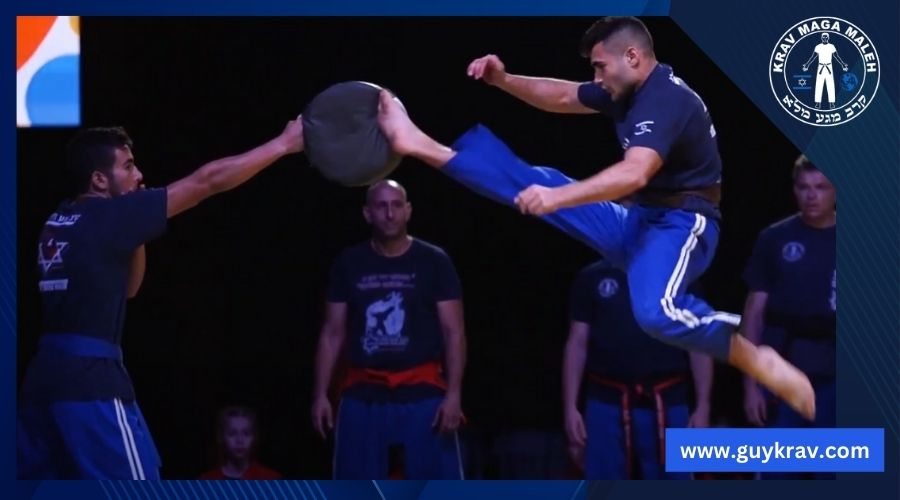
Participating in Competitions
Entering martial arts competitions is a significant step in a practitioner’s journey. Competitions test your skills in a high-pressure environment, offering an invaluable experience that can’t be replicated in training alone.
- Competing allows you to gauge your abilities against others, clearly showing where you stand and what areas need improvement.
- It also teaches important lessons in sportsmanship, discipline, and handling pressure, qualities that extend beyond the mats and into everyday life.
- Preparation for competitions involves intensifying your training, refining techniques, and focusing on mental conditioning, all contributing to your growth as a martial artist.
Competitions are not just about winning or losing; they’re about setting goals, pushing your limits, and learning from victories and defeats. Whether aiming for your first local tournament or aspiring to compete at higher levels, participating in competitions can be a transformative experience that propels your martial arts journey forward.
Preparing Mentally and Physically for Tournaments:
Getting ready for a tournament involves more than just ramping up your training. It requires a holistic approach that prepares your body and mind for the challenges ahead.
- Physical Preparation:
- Intensify Training: Increase the intensity and frequency of your workouts to build up your stamina and refine your techniques.
- Simulation Sparring: Engage in sparring sessions that simulate tournament conditions to acclimate yourself to the pressure and pacing of a real match.
- Rest and Taper: In the days leading up to the tournament, taper down your training intensity and focus on rest and recovery to ensure your body is in peak condition.
- Mental Preparation:
-
- Visualization: Regularly visualize successful outcomes, from executing perfect techniques to handling challenging situations. This mental rehearsal can enhance your confidence and performance.
- Set Goals: Define clear, achievable goals for the tournament beyond winning. This could include staying calm under pressure or executing a specific technique effectively.
- Stress Management: Develop strategies to manage competition nerves, such as deep breathing exercises, listening to music, or meditation.
Learning from Competition Experiences
Every tournament, whether you win or lose, is a learning experience. Reflecting on your performance and taking away key insights is crucial for your growth as a martial artist.
- Analyze Your Matches: Watch recordings of your matches to identify strengths and areas for improvement. Pay attention to your technique, strategy, and reaction under pressure.
- Seek Feedback: Discuss your performance with your coach and peers. External perspectives can offer valuable insights that you might overlook.
- Embrace Mistakes: Don’t be too hard on yourself for any mistakes. Instead, view them as opportunities to learn and improve.
- Celebrate Successes: Recognize and celebrate what you did well. Acknowledging your strengths builds confidence and motivates you to continue your training.
Take the First Step Towards a Healthier, More Empowered You
Martial arts offer a pathway to balance, health, and empowerment, enriching both the body and mind. Starting your martial arts journey is an exciting endeavor, and finding the right program and preparing adequately is crucial. With realistic goals, time management strategies, and the support of your family, you can integrate martial arts seamlessly into your daily routine.
As you face physical and mental challenges, remember that growth and resilience are part of the martial arts experience. Nutrition, rest, and recovery are pivotal in your success, ensuring you stay healthy and energized. Now, it’s your turn to take the first step. Your journey begins today.
Frequently Asked Questions:
How often should I train in martial arts to see progress?
To see progress in martial arts, training regularly is key. Ideally, practicing 2-3 times a week is a great start for beginners. This frequency allows your body to adapt to the new movements and challenges without overwhelming it. Each session should focus on different aspects of martial arts, such as technique, strength, flexibility, and endurance. Remember, consistency is more important than intensity. Regular, dedicated practice over time will improve your skills, fitness level, and understanding of martial arts. Additionally, supplementing your training with related activities like conditioning, flexibility exercises, or mental rehearsals can significantly enhance your progress. Listen to your body, and give yourself time to rest and recover to prevent burnout and injuries.
Can adults start martial arts training with no prior experience?
Absolutely! Adults can start martial arts training with no prior experience. Martial arts schools are accustomed to teaching beginners of all ages and often have classes specifically designed for adults starting their journey. Starting martial arts as an adult has numerous benefits, including improved fitness, flexibility, mental strength, and the opportunity to learn self-defense skills. The key is to find a school and instructor that values teaching beginners and creates a supportive, encouraging environment. Everyone starts somewhere; martial arts is about personal growth and improvement, not comparing yourself to others. With patience, persistence, and a positive attitude, any adult can embark on the rewarding martial arts training journey.
What are the best martial arts for self-defense for adults?
Brazilian Jiu-Jitsu (BJJ), Krav Maga, and Muay Thai are highly recommended for adults interested in self-defense. Brazilian Jiu-Jitsu focuses on ground fighting and submission techniques, teaching you how to defend yourself against larger opponents using leverage rather than strength. Krav Maga is a practical, no-nonsense self-defense system developed for the military, emphasizing instinctive movements, practical techniques, and real-life scenarios. Muay Thai, known as the “Art of Eight Limbs,” utilizes punches, kicks, elbows, and knee strikes, effectively striking and defending against an attacker. Each martial arts offers unique strategies and techniques for self-defense, so choosing one depends on your interests and the type of self-defense skills you wish to acquire.
How do I balance martial arts training with a busy lifestyle?
Balancing martial arts training with a busy lifestyle requires careful planning and prioritization. Start by scheduling your training sessions just like any other important appointment. Consider the time of day when you’re most likely to stick to your training—early morning, during lunch breaks, or in the evening—and make it a non-negotiable part of your routine. Look for a martial arts school that offers classes at times that work for you, and don’t be afraid to communicate your needs with your instructor. Also, remember that quality is more important than quantity. If you can’t train as often as you’d like, focus on making the most of each session. Lastly, involve your family or friends when possible, as this can make training more enjoyable and less of a scheduling conflict.
What should I look for in a martial arts instructor?
Consider their experience, teaching style, and personality when looking for a martial arts instructor. An ideal instructor deeply understands the martial arts they teach, with ample experience both as a practitioner and a teacher. They should be able to communicate effectively, break down complex techniques into understandable parts, and adapt their teaching methods to fit different learning styles. Look for an instructor who creates a positive, respectful training environment where students feel supported and motivated to learn. They also need to emphasize safety and proper technique to prevent injuries. Meeting potential instructors, observing a class, and even taking a trial lesson can help you decide if their approach aligns with your goals and learning preferences.
Start Your Martial Arts Journey with Krav Maga Maleh
Embarking on a martial arts journey is about more than just learning to fight; it’s about transforming your life. At Krav Maga Maleh in Ramat Gan Israel, we offer you the chance to become part of a community that values strength, discipline, and personal growth. Whether you’re looking to boost your fitness, learn self-defense, or simply find a new passion, we have a place for you.
Join us today and discover how martial arts can empower you with confidence, resilience, and a sense of achievement. Our experienced instructors are dedicated to helping you reach your full potential in a supportive and welcoming environment. Don’t wait any longer to take the first step towards a healthier, more empowered you. Welcome to our community at Krav Maga Maleh. Let’s begin this journey together.