
In a world where safety can never be taken for granted, knowing how to defend yourself has become more than just a skill—it’s a necessity. Imagine walking down the street, feeling confident and secure, knowing you have the knowledge and ability to protect yourself in any situation. This isn’t just about throwing punches or mastering complex martial arts; it’s about ensuring safety and empowerment in today’s unpredictable environment.
This extensive guide is your first step towards building that confidence and readiness. Here, you’ll discover essential strategies, techniques, and tips designed for anyone looking to enhance their self-protection skills. Whether at home, traveling, or navigating through crowded spaces, knowing how to defend yourself is as crucial as having impact windows to protect your home from storms—speaking of which, have you ever wondered how long impact windows last? Much like these protective barriers, the skills you’ll gain from this guide offer long-term security and peace of mind.
In this guide, you’ll learn about:
- The basics of self-defense, including the legal side of protecting yourself.
- Physical and mental preparation techniques to prepare you for anything.
- Simple yet effective self-defense moves that anyone can master.
- The role of self-defense tools and how to use them wisely.
- Ways to avoid dangerous situations and how to react if you find yourself in one.
We’ll also dive into specific strategies tailored for women, children, and the elderly, ensuring everyone can access vital self-defense knowledge. Plus, we’ll explore advanced techniques and the importance of building a personal safety plan.
Self-defense is a powerful tool for personal safety, but it’s crucial to understand its core philosophy. At its heart, self-defense is about protecting yourself from harm, not causing it. This distinction between self-defense and aggression is a line that should never be blurred. While aggression involves attacking or harming someone without just cause, self-defense is the action you take to prevent someone from hurting you. It’s about having the skills and knowledge to keep yourself safe, not looking for fights or retaliating in anger.
The Philosophy Behind Self-Defense
When discussing self-defense, we focus on the right to protect oneself from physical harm. This might mean learning to block a punch, escape from a grab, or even know when to run away. The goal is always safety—getting out of a dangerous situation with as little conflict as possible. It’s like having an emergency response technique up your sleeve; you hope never to use it, but it’s there if you need it.
Self-defense teaches us to be aware of our surroundings, to assess situations quickly, and to react in ways that prioritize our well-being. It’s not about being the strongest or the fastest; it’s about being smart and prepared. Think of it as a non-lethal self-defense tool; it’s there to protect, not to harm.
Legal Aspects of Self-Defense
Understanding the legal aspects of self-defense is just as important as knowing how to throw a punch. Every country, and often each state or region within a country, has its laws about what counts as self-defense and what crosses the line into aggression. Generally, the law allows you to defend yourself if you believe you’re in immediate danger of being hurt. However, the force you use must be reasonable and necessary to stop the threat.
Preparing for Self-Defense
Embarking on your self-defense journey requires mental and physical readiness. It’s about more than just learning a few moves; it’s about preparing your body and mind to react effectively in a crisis. This preparation enhances your safety, like how impact windows protect a home against storms.
Physical Preparation
Physical preparation for self-defense involves more than just strength; it’s about agility, endurance, and technique. Being physically fit can increase your chances of effectively defending yourself. However, it’s not about becoming a heavyweight champion; it’s about having enough fitness to manage and escape dangerous situations.
- Fitness and Conditioning: Regular exercise is crucial. It improves your strength, speed, and stamina, making it easier to perform self-defense moves when needed. Consider incorporating exercises like running, swimming, or cycling to boost cardiovascular health.
- Flexibility: Flexibility can help you avoid injuries during self-defense. Stretching exercises, yoga, or martial arts like taekwondo can improve flexibility.
- Martial Arts Training: Engaging in martial arts is a great way to prepare for self-defense. Styles like Krav Maga, judo, and karate not only teach specific defense techniques but also improve physical fitness and reaction time.
- Self-Defense Workshops: These are excellent for learning practical defense techniques quickly. They often focus on scenarios most likely to occur in real life.
Here’s a simple table to help you plan your physical preparation:
| Activity Type | Examples | Benefits |
| Cardio Exercises | Running, Swimming, Cycling | Increases stamina and endurance |
| Flexibility Training | Yoga, Stretching | Enhances agility and reduces injury risk |
| Martial Arts | Krav Maga, Judo, Karate | Teaches defense techniques; improves fitness |
| Self-Defense Workshops | Weekend workshops, Online courses | Offers practical, scenario-based training |
Remember, the goal of physical preparation is not to train you into a fighter but to equip you with enough fitness and skill to protect yourself. Whether learning effective striking techniques or maintaining a defensive posture, the physical aspect of self-defense is about being ready to act when necessary.
Fitness and Conditioning
Fitness and conditioning are the bedrock of effective self-defense. It’s not about lifting the heaviest weights or running the fastest marathon; it’s about conditioning your body to handle real-life scenarios where you might need to defend yourself. This training increases your physical defense mechanisms, making you more capable of handling situations where your safety is at risk.
When it comes to self-defense, both strength and agility are important. Strength helps you to resist and push back an attacker, while agility allows you to move quickly and efficiently, dodging attacks and creating opportunities to escape.
Exercises to Improve Strength and Agility for Self-Defense
To build the right kind of fitness for self-defense, focus on exercises that enhance strength and agility. Here are some key exercises to include in your routine:
- Bodyweight Exercises: These are great for building strength without needing special equipment. Include push-ups, sit-ups, and squats in your routine. These exercises not only build muscle but also improve endurance.
- Cardiovascular Training: Running, cycling, or brisk walking enhances your heart’s health and builds stamina. This type of training is crucial for situations where you might need to escape danger quickly.
- Plyometrics: These exercises involve explosive movements that improve agility and power. Jump squats and box jumps are good examples. They help you develop the ability to move swiftly, which is essential in self-defense situations.
- Balance Exercises: Maintaining balance is key in self-defense. Practice yoga or use a balance board to improve your ability to control your body’s movements.
- Martial Arts Specific Drills: If you’re practicing a martial art like Krav Maga, incorporate specific drills from your training. These exercises enhance the movements and reflexes needed in self-defense scenarios.
- Stretching: Never underestimate the importance of flexibility. Stretching improves your range of motion, making it easier to perform self-defense moves. Include dynamic stretching in your warm-up and static stretching in your cool-down.
- Circuit Training: This involves doing a series of exercises one after the other with minimal rest in between. It’s a great way to build strength and endurance simultaneously. You can create a circuit with a mix of the exercises mentioned above.
Choosing the Right Martial Arts
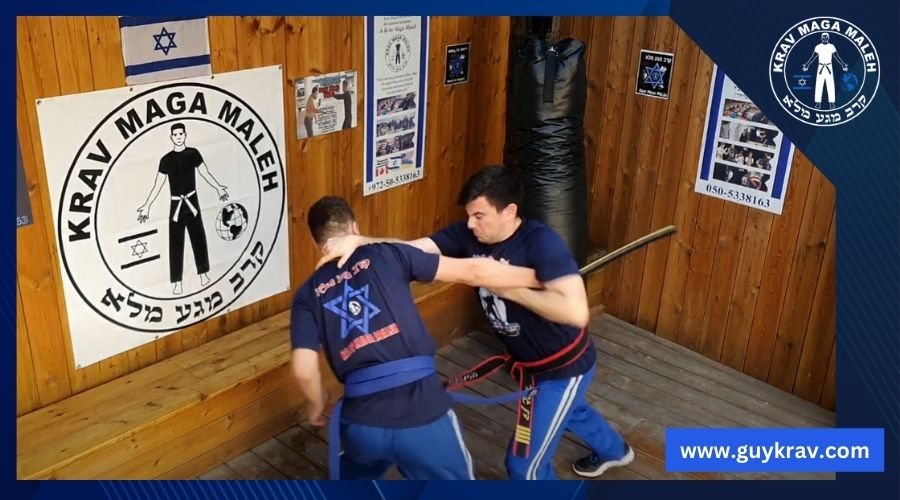
Selecting the right martial art for self-defense is like picking the perfect tool for a job. Not all martial arts are created equal, especially regarding self-defense. Some focus on strikes, others on grapples, and some blend various techniques. The key is to find a style that resonates with your physical abilities, interests, and self-defense goals.
Martial Arts Best Suited for Self-Defense
- Krav Maga: Originating from military combat, Krav Maga is all about practicality and efficiency. It combines techniques from various martial arts and focuses on real-world situations. It’s known for its focus on self-protection strategies and quick, decisive moves.
- Brazilian Jiu-Jitsu (BJJ): BJJ emphasizes ground fighting and grappling techniques. It’s particularly effective when you find yourself on the ground or grappling with an attacker. BJJ teaches control and submission moves, allowing a smaller person to defend against a larger opponent.
- Muay Thai: Known as the “Art of Eight Limbs,” Muay Thai utilizes fists, elbows, knees, and shins for striking. It’s great for developing your striking power and learning to use different body parts as weapons.
- Boxing: While it only focuses on punches, boxing is excellent for teaching powerful strikes, evasive footwork, and quick reflexes. It also helps build endurance and mental toughness.
- Taekwondo: This Korean martial art is known for its high and fast kicks. Taekwondo can be a good choice for those looking to develop agility, flexibility, and striking power.
- Judo: Judo focuses on throws and takedowns, effectively neutralizing an opponent without striking. It’s about using an attacker’s force against them, which can be particularly useful in self-defense.
Mental Preparation
Mental preparation is as crucial as physical training in self-defense. It’s about developing a mindset that helps you stay calm and focused in potentially dangerous situations. This mental strength is essential for assessing threats and making quick, effective decisions.
Developing a Self-Defense Mindset
- Situational Awareness: Always be aware of your surroundings. This means paying attention to the people around you, knowing exit routes, and spotting potential dangers before they escalate.
- Stress Management: Learning to manage stress is key. High stress levels can cloud your judgment. Practice deep breathing, meditation, or other relaxation techniques to maintain clarity of thought.
- Confidence Building: Confidence can be a powerful deterrent to attackers. Martial arts training, self-defense workshops, and fitness routines can help build self-confidence.
- Mental Rehearsal: Visualize different self-defense scenarios and your responses. This mental rehearsal can prepare you psychologically for real situations.
- Understanding Fear: Acknowledge that fear is a natural response. Recognizing and controlling your fear can prevent panic and help you react more effectively.
- Decision Making: Practice making quick decisions. Self-defense situations often require immediate action. Train your mind to evaluate options and decide swiftly.
Developing a Self-Defense Mindset
A self-defense mindset is more than just knowing how to react physically; it’s about cultivating the mental strength and readiness to handle any situation confidently and safely. This mindset is a blend of awareness, confidence, and preparedness that, together, form your invisible armor.
The Importance of Confidence and Awareness
Building confidence and maintaining awareness are crucial components of a self-defense mindset. Confidence can deter potential attackers and empower you to act decisively when necessary. On the other hand, awareness is about being alert to your surroundings, helping you anticipate and avoid dangerous situations before they escalate.
Building Confidence
- Train Regularly: Regular training in martial arts or self-defense classes builds muscle memory and assurance in your abilities.
- Positive Self-Talk: Remind yourself of your strengths and abilities. Positive self-talk can boost your self-confidence significantly.
- Set Achievable Goals: Setting and achieving small goals in your training can build confidence over time.
- Learn from Mistakes: View mistakes as learning opportunities rather than failures. Each mistake is a step towards improvement.
Maintaining Awareness
- Stay Alert: Always monitor your environment. Whether walking home or in a crowded place, stay alert to what’s happening around you.
- Avoid Distractions: Minimize distractions like smartphones or headphones in unfamiliar or potentially risky areas.
- Trust Your Instincts: If something feels off, trust your gut. Often, your instincts can alert you to danger before it becomes apparent.
- Plan Ahead: Know the safest routes when traveling and always have a plan for emergencies.
Stress Management Techniques
Managing stress is a critical skill in self-defense. When faced with a threatening situation, stress levels can skyrocket, potentially overwhelming your ability to think clearly and react effectively. Learning to control this stress is a vital part of your self-defense toolkit. It’s about training your mind to stay calm and focused, even when the pressure is on.
How to Remain Calm in Dangerous Situations
In a dangerous situation, keeping calm is easier said than done. Yet, this calmness can often distinguish between a good and a bad outcome. Here are some ways to maintain composure when facing danger:
- Deep Breathing is a powerful tool for calming the nervous system. Take deep, slow breaths to help reduce panic and maintain clarity of thought.
- Mental Rehearsal: Regularly visualize different scenarios and how you would handle them. This mental preparation can help you feel more in control if you ever face a real threat.
- Stay Present: Focus on the here and now. Concentrate on your surroundings and what you can do now rather than on the potential outcomes of the situation.
- Positive Self-Talk: Remind yourself that you are prepared and capable of handling the situation. Positive affirmations can boost your confidence and reduce fear.
- Control What You Can: In a threatening situation, focus on the aspects you can control, like your breathing, movements, and decisions.
- Acknowledge Fear: Recognize that fear is a natural response. Accepting fear can help you move past it and focus on responding to the threat.
Basic Self-Defense Techniques Everyone Should Know
Knowing some basic self-defense techniques can make a significant difference in a dangerous situation. These skills are not just for people who want to spend years training in martial arts; they are practical, simple moves that anyone can learn and use effectively. The goal is not to become a combat expert but to have tools that can help protect you in emergencies.
Defensive Moves
In self-defense, defensive moves are your first line of protection. They are about avoiding harm and creating opportunities to escape. The best defensive moves are simple, quick to execute, and effective in various situations. Here are some basic defensive techniques:
- The Defensive Stance: A proper stance can make you a less easy target. Stand with your legs shoulder-width apart, knees slightly bent, and hands up in front of your face. This position allows you to move quickly and protect your vital areas.
- Palm Strikes: If you need to strike, the palm strike is safer and more effective than a fist. Thrust your palm towards the attacker’s nose or chin, using your body weight to add force.
- Front Kicks: A simple front kick to the groin can incapacitate an attacker long enough for you to escape. Keep your balance and aim your kick with precision.
- Hammer Fist: Use a hammer fist strike (hitting with the side of your clenched fist) to target vulnerable areas like the side of the head or the nose. This move requires less precision but can be very effective.
- Elbow Strikes: An elbow strike can be very powerful if the attacker is close. Use your body’s momentum to strike with your elbow, aiming for the face or ribs.
- Blocking: Learn basic blocks to protect yourself from incoming strikes. Practice blocking high (to protect your head) and low (to protect your torso).
- Escaping Holds: Practice escaping common holds like wrist grabs or bear hugs. The key is to act quickly and use leverage, not just brute strength.
Mastering the Defensive Stance
In any self-defense situation, the first step is often adopting a proper defensive stance. This stance is the foundation of all self-defense techniques, offering stability, mobility, and readiness. It’s not just a physical position but a state of mental readiness, signaling to any potential attacker that you’re not an easy target.
The defensive stance is crucial because it prepares your body to react swiftly and effectively. Whether you need to block an attack, make a quick escape, or launch a defensive move, a good stance gives you the advantage. Here’s how to master it:
- Stand Firm: Place your feet shoulder-width apart. This position gives you a stable base, making it harder for you to be pushed over.
- Bend Your Knees Slightly: Keep your knees slightly bent. This adds agility and speed to your movements, allowing you to react quickly.
- Hands Up: Raise your hands to protect your face. This guards your vital areas and prepares you to block or strike.
- Stay Balanced: Distribute your weight evenly on both feet. Avoid leaning too far forward or backward, making you less stable.
- Relax Your Shoulders: Keep your shoulders relaxed. Tense shoulders can slow you down and make your movements less fluid.
- Eyes on the Attacker: Keep your eyes on the potential threat. This helps you anticipate their moves and react accordingly.
- Mindset: Along with your physical posture, have a mindset of calm and determination. Your attitude can be just as intimidating as your stance.
The Foundation of All Self-Defense Techniques
The defensive stance is more than just a physical position; it’s the cornerstone of all self-defense techniques. It’s where you start and often return to during a confrontation. A good stance allows you to move quickly, maintain balance, and use your body’s full potential in a defensive situation.
- Flexibility and Movement: From this stance, you can easily shift to avoid attacks, move in to strike, or run if escape is the best option.
- Power Generation: A stable stance allows you to generate more power in your strikes. It lets you use your body weight effectively, adding force to your defensive moves.
- Protection: A defensive stance minimizes the areas of your body exposed to an attacker. Protecting your face and torso reduces the risk of serious injury.
- Confidence: Adopting this stance can also have a psychological impact. It shows confidence and readiness, which might deter an attacker from pursuing their intent.
Effective Striking Techniques
Regarding self-defense, knowing how to strike effectively can be a game-changer. It’s not about having the strength of a professional fighter; it’s about knowing where and how to hit to maximize your impact, even if you’re smaller or weaker than your attacker.
Where to Hit for Maximum Impact
In self-defense, your goal is to incapacitate your attacker long enough for you to escape. This means targeting areas of the body where you can cause the most impact with the least amount of force. Here are key areas to focus on:
- Nose: A sharp strike to the nose can cause immense pain and watery eyes, which can disorient your attacker.
- Throat: A well-aimed hit to the throat can disrupt breathing and induce panic, giving you a chance to flee.
- Groin: Regardless of gender, a strike to the groin can be debilitating, providing a critical window for escape.
- Knees: The knees are vulnerable from every angle. A strong kick can cause balance issues for your attacker.
- Solar Plexus: Located just below the ribs, a strike here can knock the wind out of someone, causing momentary breathlessness.
Remember, the objective is to create an opportunity to escape, not to engage in a prolonged fight.
Escape Techniques
In many self-defense scenarios, the best strategy is to escape, especially if the attacker is armed or there’s more than one assailant. Escape techniques are essential to learning, focusing on quick moves to free yourself from an attacker’s grip and get to safety.
- Wrist Releases: If someone grabs your wrist, twisting against your thumb can help you break free.
- Bear Hug Escapes: If you’re grabbed from behind, use your elbows to hit their ribs or stomp on their feet, then duck under their arm to escape.
- Choke Releases: If someone tries to choke you, focus on protecting your airway first. Use your hands to peel off their grip while turning your body to the side.
- Ground Escapes: If you’re taken to the ground, use techniques like the “buck and roll” or “trap and bridge” to unbalance your attacker and get up quickly.
- Using Your Environment: Be aware of your surroundings and use them to your advantage. Run towards crowded places, use obstacles to slow down your attacker, or find objects to create a barrier.
- Creating Noise: Yell or scream to attract attention. Often, the fear of getting caught can deter an attacker.
Breaking Free from Holds
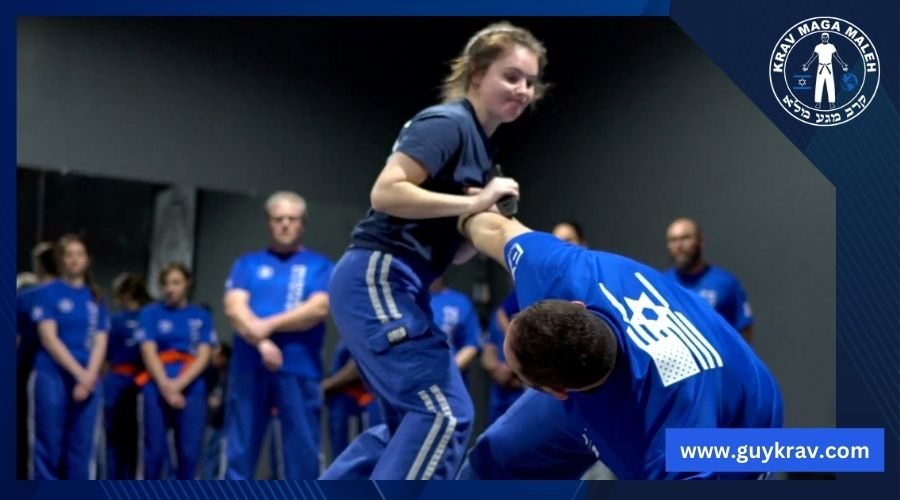
In self-defense, knowing how to break free from an attacker’s grip is vital. An attacker might try to control you by grabbing your wrists, arms, or clothing. Escaping these holds is about using smart techniques, not just brute strength. It’s about understanding how to leverage your body and the attacker’s weaknesses to free yourself.
Techniques to Escape Common Grabs and Holds
When someone grabs you, it’s natural to try to pull away. However, the most effective escapes in many cases involve moving towards the grab. Here are some techniques to escape common holds:
- Wrist Grabs: If someone grabs your wrist, make your hand into a fist. Use your other hand to grip the back of your fist and push towards the attacker’s thumb, the weakest part of their grip, to break free.
- Front Choke Hold: If you’re being choked from the front, bring your arms up between theirs and push them outwards to break their grip. You can also aim a strike at the attacker’s nose or eyes.
- Rear Choke Hold: Tuck your chin to protect your airway in a rear choke hold. Reach back and strike any vulnerable area you can reach, like the face or groin, to make the attacker release their grip.
- Bear Hug from Behind: If caught in a bear hug from behind, stomp hard on the attacker’s foot. You can also try to hit their head with the back of your skull.
- Hair Grab: If someone pulls your hair, instead of pulling away, move towards the grab. This reduces pain and gives you control. Use your free hands to counter-attack.
- Clothing Grab: If grabbed by the clothing, move towards the attacker to reduce the tension in the fabric, making it easier to execute a strike or use a self-defense technique.
Creating Distance and Escaping
Creating distance between you and an attacker is often the key to safety. Distance gives you time to react, assess the situation, and decide on your next move, whether running away or preparing to defend yourself further. The main goal is to put space between you and the threat, reducing the immediate danger.
How to Put Space Between You and the Threat
Creating distance requires quick thinking and swift action. Here are some effective ways to put space between you and an attacker:
- Use Your Environment: Position objects between you and the attacker. Tables, chairs, or any large items can serve as barriers.
- Back Away Safely: Keep the attacker in sight as you back away if possible. This allows you to see any advances they might make.
- Run to a Safe Place: If you see an escape route, take it. Run towards public areas or where you know help is available.
- Throw Objects: If necessary, throw objects to distract or slow down the attacker, giving you time to escape.
- Use Loud Noises: Shout or use a whistle to create a distraction and potentially attract help.
- Stay Aware of Exits: Always be mindful of your nearest exits in any environment. Knowing your escape routes can save valuable time in a crisis.
Remember, escaping is always better than engaging in a physical confrontation, especially if the attacker is armed or there’s more than one.
Self-Defense Tools and How to Use Them
While physical techniques are crucial, sometimes you might need additional help with self-defense tools. These tools should be used wisely and as a last resort when physical escape is impossible.
Self-Defense Tools
- Pepper Spray: A common self-defense tool that temporarily incapacitates an attacker. Aim for the face, specifically the eyes, and spray. Ensure you understand the direction of the wind to avoid getting it in your eyes.
- Personal Alarms: These emit loud noises that can disorient an attacker and attract attention. Use them to create a diversion or scare off the attacker.
- Stun Guns or Tasers: These can immobilize an attacker for a short time. Know the legal restrictions in your area before carrying one.
- Self-Defense Keychains: Often equipped with sharp points, they can strike an attacker in close combat.
- Flashlights: A bright flashlight can blind an attacker temporarily, especially in low-light conditions.
Choosing Self-Defense Tools
When considering self-defense, one option is to carry tools or gadgets designed for personal protection. Choosing the right self-defense tool is a crucial decision. It’s not just about what you carry but how comfortable and prepared you are to use it if needed. Each tool has unique pros and cons, which can help you make an informed decision.
Pros and Cons of Different Self-Defense Gadgets
Here’s a look at some common self-defense tools and their respective advantages and disadvantages:
| Self-Defense Gadgets | Pros | Cons |
| Pepper Spray | Highly effective at incapacitating an attacker from a distance; non-lethal. | Can be affected by wind direction; the potential risk of accidental exposure to yourself; and legal restrictions in some areas. |
| Personal Alarms | Easy to use; can draw attention and deter an attacker; non-violent. | Effectiveness depends on someone hearing and responding to the alarm. |
| Stun Guns or Tasers | Can immobilize an attacker temporarily; effective at close range. | Requires proximity to the attacker; legal restrictions in some areas; requires proper handling and training. |
| Self-Defense Keychains | Convenient and easy to carry; effective in close combat. | Requires physical contact with the attacker; effectiveness varies based on design and user’s strength. |
| Flashlights | Can be used to disorient an attacker, especially in the dark; doubles as a regular tool. | Less effective in well-lit conditions; requires accurate aiming. |
Legal and Safe Use of Self-Defense Tools
While self-defense tools can effectively ensure your safety, their use comes with significant responsibility. It’s essential to understand the legal aspects and safe handling of these tools to ensure that you protect yourself legally and responsibly.
Best Practices for Carrying and Using Tools Responsibly
Regarding self-defense tools, you should follow several best practices:
- Know the Law: Familiarize yourself with local laws regarding self-defense tools. Some tools may be restricted or prohibited in certain areas.
- Get Proper Training: Learn how to use your chosen tool correctly. Incorrect usage can lead to unintentional harm to yourself or others.
- Keep Tools Accessible: Carry your tool where you can easily reach it, but ensure it’s secure and won’t accidentally deploy.
- Maintain Your Tools: Regularly check and maintain your tools to ensure they are in good working condition.
- Use Only When Necessary: Self-defense tools should only be used when you feel genuinely threatened, and there’s no other option for escape.
- Avoid Escalation: Introducing a weapon into a conflict can escalate the situation. Assess carefully if using the tool is the safest option.
- Practice Discretion: Be discreet about carrying self-defense tools. Advertising that you have them can sometimes attract unwanted attention.
Following these guidelines can help ensure that your use of self-defense tools is legal, ethical, and effective.
Avoiding Dangerous Situations
The best self-defense strategy is to avoid dangerous situations altogether. Being aware of your surroundings and avoiding potential threats can significantly reduce the likelihood of finding yourself in a harmful situation.
Tips to Avoid Dangerous Situations
- Stay Alert: Always be aware of your surroundings. Avoid distractions like texting or wearing headphones in unfamiliar or potentially risky areas.
- Trust Your Instincts: If something feels off, trust your gut feeling. It’s better to be cautious and wrong than to ignore a potential threat.
- Avoid Isolated Areas: Stay in well-lit, populated areas, especially at night. Isolated areas can make you an easy target.
- Plan Your Route: Know where you’re going and the safest way to get there. Avoid shortcuts through risky areas.
- Be Mindful of Strangers: Keep a safe distance from strangers approaching you, especially if they seem overly friendly or invasive.
- Know Where to Go for Help: Be aware of where to find help if needed, such as public places, stores, or police stations.
- Stay Sober and Alert: Avoid impairing your judgment with alcohol or drugs when in potentially unsafe environments.
Identifying Risky Situations
Recognizing potentially dangerous situations before they escalate is critical to self-defense. Often, the key to staying safe lies not in how you react to danger but in how you avoid it in the first place. Identifying risky situations allows you to take proactive steps to keep yourself safe.
Tips for Recognizing Potential Danger Before it Escalates
Staying safe starts with understanding what to look for. Here are some tips to help you recognize potentially dangerous situations:
- Observe Non-Verbal Cues: Pay attention to people’s body language. Aggressive or anxious behavior can be a warning sign.
- Listen to Your Instincts: If something feels wrong, trust your intuition. It’s often right.
- Be Aware of Your Surroundings: Notice if the dynamics of an area change. An area that’s usually busy but suddenly deserted might be a red flag.
- Watch for Unusual Behavior: Be alert to people acting suspiciously or seemingly out of place.
- Avoid Distractions: Stay focused on your environment. Avoid texting or listening to music in potentially risky areas.
- Notice Group Dynamics: Groups behaving rowdily or aggressively should be avoided.
- Be Wary of Strangers Approaching You: If someone you don’t know approaches you, especially in a secluded area, be cautious.
- Monitor Exits and Entrances: Always know your nearest exit in any environment.
- Look for Signs of Trouble: Broken glass, loud arguments, or sounds of distress can indicate trouble nearby.
Safe Travel Strategies
Traveling, whether by public transport or on foot, especially when alone, requires extra vigilance for your safety. Knowing how to stay safe in these situations is an important aspect of self-defense, helping you avoid potential dangers during your daily commute or travel.
How to Stay Safe on Public Transport and When Walking Alone
Here are some strategies to remember while using public transport or walking alone:
- Stay Alert: Always be aware of your surroundings. Avoid getting absorbed in your phone or other distractions.
- Sit Near the Driver or Exit: Try to sit near the driver or an exit on public transport. It makes it easier to leave quickly if needed.
- Keep Your Belongings Secure: Hold onto your bags and keep wallets or phones in secure pockets.
- Avoid Showing Valuables: Keep expensive items like jewelry or electronics out of sight to avoid attracting attention.
- Plan Your Route: Know your destination’s safest and most direct route.
- Trust Your Instincts: If a particular route or person makes you uneasy, trust your gut and avoid them.
- Use Well-Lit and Populated Routes: When walking alone, stick to well-lit and populated areas, especially at night.
- Let Someone Know Your Plans: Inform a trusted person about your travel plans and expected arrival time.
- Learn Local Emergency Numbers: Know the emergency contact numbers for your traveling areas.
- Avoid Confrontations: If someone acts aggressively, maintain a safe distance and avoid engaging.
Advanced Self-Defense Strategies
Moving beyond basic self-defense techniques, advanced strategies involve more complex skills useful in high-risk situations. These strategies often combine physical skills with tactical thinking, helping you defend yourself and control or de-escalate a situation.
Advanced self-defense includes learning more sophisticated techniques often taught in martial arts like Krav Maga, Brazilian Jiu-Jitsu, or Muay Thai. These skills can be crucial in situations where basic self-defense is not enough. However, remember that with higher-level skills comes greater responsibility. Advanced techniques should only be used when necessary and in a manner that is proportional to the threat.
In addition to physical skills, advanced strategies also involve understanding the psychology of an attacker, situational awareness, and conflict resolution. Learning to read situations, anticipate potential threats and diffuse tensions can often prevent a physical confrontation.
De-Escalation Techniques
De-escalation techniques are vital in self-defense, often serving as the first line of defense in preventing a situation from turning violent. These techniques involve verbal communication and body language to defuse a potentially dangerous situation.
Verbal Strategies to Prevent Violence
Using the right words and tone can significantly lower the tension and reduce the likelihood of physical confrontation. Here are some verbal de-escalation strategies:
- Stay Calm: Speak in a calm, clear voice. Avoid showing anger or fear as these emotions can escalate the situation.
- Use Non-Threatening Language: Avoid insults or challenges. Use neutral language that doesn’t provoke the aggressor.
- Listen Actively: Sometimes, listening to what the aggressor says can defuse the tension. Acknowledge their feelings without agreeing with their actions.
- Maintain Non-Threatening Body Language: Keep your posture relaxed and open. Avoid aggressive gestures like crossed arms or clenched fists.
- Create Space: If possible, maintain a safe distance. Personal space can make you and the aggressor feel less threatened.
- Offer Options: If you can, give the person choices. This can give them a sense of control and lead to a peaceful resolution.
- Know When to Exit: If the situation doesn’t improve, look for a safe way to leave. Sometimes, the best option is to walk away.
Defensive Fighting Styles
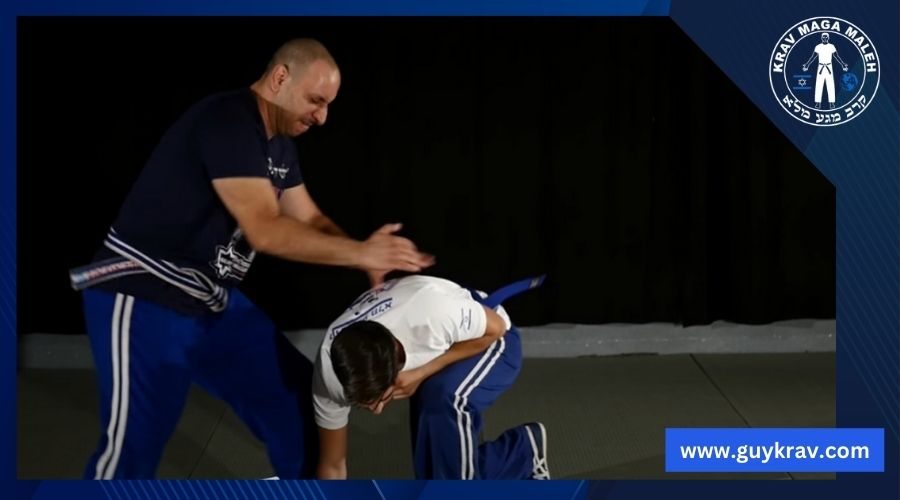
While de-escalation is preferred, sometimes defending yourself physically is the only option. Krav Maga stands out for its effectiveness in real-world situations among various defensive fighting styles.
A Deeper Look into Krav Maga and Its Effectiveness
Krav Maga is a martial art developed for the Israeli military. It focuses on practical, real-world defense techniques and quick counter-attacks. Krav Maga is effective for self-defense:
- Simplicity and Efficiency: Krav Maga techniques are straightforward and can be performed under stress. They don’t require years of practice to be effective.
- Focus on Real-World Situations: Krav Maga training includes scenarios like attacks with weapons, multiple attackers, and surprise assaults.
- Improvisation: One of the key principles of Krav Maga is using whatever means available to defend yourself, including everyday objects.
- Counter-Attacks: Krav Maga emphasizes neutralizing the threat quickly. This often involves simultaneous defensive and offensive maneuvers.
- Stress Training: Practitioners are trained to handle high-stress situations, making it easier to think clearly and react effectively during an attack.
Krav Maga provides practical skills that can be crucial in dangerous situations. However, it’s important to remember that, like any martial art, it should be used responsibly, ethically, and in line with legal self-defense laws.
Tailoring Self-Defense to Your Needs
Understanding that self-defense needs can vary greatly from person to person is crucial. Different individuals face distinct threats based on various factors, including gender, age, and environment. Tailoring self-defense strategies to meet these specific needs can significantly enhance their effectiveness.
Self-Defense for Women
Women often face unique threats and situations, making it important to develop self-defense strategies that address these specific challenges. By learning techniques and strategies that focus on the common threats faced by women, they can effectively enhance their safety.
Techniques and Strategies for Women
Here are some self-defense techniques and strategies particularly suited for women:
- Be Aware of Your Surroundings: Always keep an eye on your environment, especially when alone or in unfamiliar places.
- Trust Your Instincts: If a situation or person makes you uncomfortable, trust your gut feeling and leave if possible.
- Use Your Voice: Don’t be afraid to shout or scream to attract attention or deter an attacker.
- Carry Legal Self-Defense Tools: Consider carrying pepper spray or a personal alarm, and ensure you know how to use them effectively.
- Learn Targeted Strikes: Focus on learning strikes that are effective regardless of size, such as knee strikes to the groin, palm strikes to the nose, and elbow strikes.
- Escape Techniques: Learn how to break free from common grabs and holds, such as wrist grabs and bear hugs.
- Take Self-Defense Classes: Participate in classes focusing on realistic scenarios women might face.
- Safety in Numbers: Whenever possible, travel with friends or family, especially at night.
- Be Cautious with Personal Information: Be careful about sharing personal information, especially location details, with strangers or on social media.
- Stay Prepared: Keep your phone charged and emergency contacts accessible.
These strategies are designed to empower women with the skills and knowledge to protect themselves in various situations. It’s about being prepared, aware, and confident in your ability to defend yourself if necessary.
Protecting Children and Teens
Equipping children and teens with self-defense skills and knowledge is crucial for their safety. It’s important to teach them age-appropriate techniques and about personal safety in an understandable and not intimidating way.
Self-Defense Skills for Youngsters
For children and teenagers, self-defense is as much about awareness and prevention as it is about physical techniques. Here are some key points to focus on:
- Stranger Awareness: Teach them the importance of being cautious around strangers and what to do if approached by someone they don’t know.
- Assertive Communication: Encourage them to speak up confidently if they feel uncomfortable or threatened. Practicing assertive communication can help them express themselves clearly and firmly.
- Safe Boundaries: Help them understand personal boundaries and respect those of others. They should also know it’s okay to say no if someone makes them uncomfortable.
- Basic Physical Techniques: Teach them simple and effective self-defense moves like breaking free from a grip or using their voice to attract attention.
- Avoiding Dangerous Situations: Educate them about the importance of staying in safe, well-lit areas and avoiding shortcuts through isolated places.
- Using Technology Wisely: Teach them the safe use of smartphones and social media, emphasizing the importance of not sharing personal information or their location online.
- Emergency Response: Ensure they know how to contact emergency services and how to describe their location and the nature of any emergency.
Self-Defense for the Elderly
Self-defense for the elderly focuses on techniques and strategies that accommodate their physical capabilities. It’s about using smart tactics to avoid confrontations and knowing how to protect themselves.
- Awareness and Avoidance: The primary strategy is to avoid potentially dangerous situations. Being aware of their surroundings and avoiding isolated areas is key.
- Using Everyday Items: Canes, umbrellas, or other everyday items can be used effectively for self-defense without needing physical strength.
- Soft Target Strikes: Teach them to aim for soft targets like the eyes, nose, or throat if they need to defend themselves.
- Balance and Stability: Practice techniques that maintain balance and stability, as falls can be particularly dangerous for older adults.
- Building Confidence: Confidence can often deter potential attackers. Simple exercise routines or light martial arts training can help build physical confidence.
- Stay Socially Connected: Encourage them to travel with friends or family members and to stay in regular contact with loved ones.
By tailoring self-defense techniques to the specific needs of children, teens, and the elderly, we can empower these vulnerable groups with the knowledge and skills to stay safe in various situations. In the following sections, we will continue to explore self-defense strategies for different scenarios, ensuring a comprehensive approach to personal safety.
Adaptable Techniques for Seniors
For seniors, self-defense is about adapting techniques to fit their physical capabilities and limitations. The focus is on using strategic moves that don’t require excessive strength or agility but are still effective in keeping them safe.
Modifying Self-Defense for Physical Limitations
Here are some adaptable self-defense techniques suitable for seniors:
- Use of Leverage: Seniors can use leverage instead of strength. For instance, using the heel of the hand to push against an attacker’s nose or chin.
- Striking Soft Targets: Aim for soft targets where less force is needed, like the eyes, throat, or groin.
- Utilizing Everyday Objects: Canes, umbrellas, or even bags can be used as extensions of the body to create distance or as tools for striking.
- Simple Escape Moves: Practice simple maneuvers to break free from common holds that don’t require much strength.
- Focusing on Balance: Seniors should focus on techniques that don’t compromise their balance, a crucial aspect of their safety.
- Voice as a Tool: Using a loud, assertive voice to attract attention or deter an attacker.
- Building a Self-Defense Plan: A self-defense plan is essential for everyone, regardless of age or ability. A good plan prepares you to respond efficiently and effectively in a dangerous situation.
Key Elements of a Self-Defense Plan
- Assess Your Environment: Know the safety aspects of your usual environments, like home, work, or regular travel routes.
- Identify Potential Risks: Understand the specific risks you might face based on your lifestyle, schedule, and activities.
- Learn and Practice Techniques: Regularly practice self-defense techniques appropriate for your physical ability and comfort level.
- Have a Communication Plan: Keep a phone or emergency alert device accessible at all times. Share your daily schedule with trusted friends or family.
- Know Your Escape Routes: Know the quickest and safest ways to exit any place you frequent.
- Use Situational Awareness: Always be aware of your surroundings and the people around you. Avoid distractions that could make you a target.
- Carry Legal Self-Defense Tools: If comfortable, carry self-defense tools like pepper spray or a personal alarm, and know how to use them.
- Mental Preparedness: Regularly visualize and mentally rehearse what you would do in different scenarios.
Your self-defense plan should be a living document, regularly reviewed and updated as your circumstances or environments change. The goal of the plan is not just to prepare you for the possibility of a physical confrontation but to increase your overall safety through awareness, prevention, and preparedness.
Personal Safety Assessments
Conducting personal safety assessments is an important step in identifying potential risks in your daily life. This process involves evaluating your daily routines, environments, and habits to pinpoint areas where you might be vulnerable to threats. It’s about being proactive in identifying and mitigating risks before they become problems.
Evaluating Your Daily Routines for Vulnerabilities
Here’s how you can assess your routines for potential safety vulnerabilities:
- Analyze Your Daily Routes: Look at the paths you take to work, school, or errands. Identify any isolated or poorly lit areas that could be risky.
- Examine Your Home Security: Assess how secure your home is. Look for potential weaknesses like unsecured windows or doors.
- Review Your Online Presence: Consider the information you share on social media. Oversharing personal details, like your location or daily routines, can make you a target.
- Check Your Workplace Safety: Evaluate the safety measures at your workplace. Know the emergency exits and protocols.
- Reflect on Your Social Habits: Think about the places you frequent and the times you are out, especially if alone.
Creating a Response Plan
Having a response plan means knowing exactly what steps to take in various threat scenarios. This plan can help you react swiftly and effectively, potentially avoiding harm.
Steps to Take in Response to Different Levels of Threat
- Low-Level Threat (e.g., Suspicious Person in Your Vicinity):
-
- Stay alert and aware of the person’s actions.
- Keep a safe distance and avoid confrontation.
- Find a populated area or enter a shop if you feel unsafe.
- Moderate-Level Threat (e.g., Being Followed):
-
- Change your route to confirm if you are being followed.
- Head to a safe, public place like a police station or busy store.
- Inform someone of your situation, either in person or by phone.
- High-Level Threat (e.g., Confrontation or Attack):
-
- Use your voice to attract attention or deter the attacker.
- Employ self-defense techniques if escape is not possible.
- Use self-defense tools if necessary and legal in your situation.
- Post-Threat Response:
-
- Get to a safe place immediately.
- Contact the authorities to report the incident.
- Seek medical attention if needed.
- Reach out to a support network for emotional support.
Training and Resources
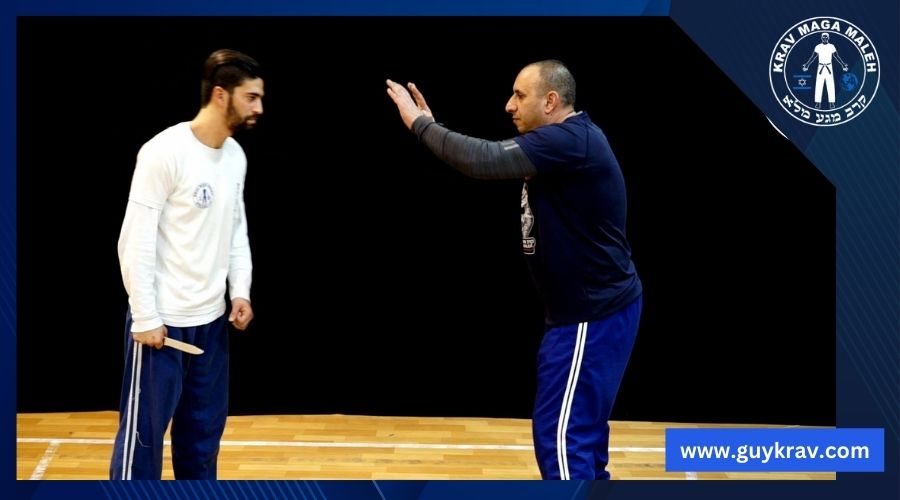
Gaining knowledge and skills in self-defense is an empowering journey, and one of the most effective ways to do this is through training and utilizing various resources. Whether joining a class or using online resources, the right training can significantly enhance your ability to protect yourself.
Finding the Right Self-Defense Class
Choosing a self-defense class that suits your needs and goals is crucial. It’s not just about learning techniques; it’s also about finding a program that respects your comfort level and empowers you.
What to Look for in a Self-Defense Program
When searching for a self-defense class, consider the following factors:
- Relevant Curriculum: The class should teach skills applicable to real-life scenarios. Look for programs that cover a range of techniques, including de-escalation, physical defense, and situational awareness.
- Qualified Instructors: Ensure the instructors are experienced and qualified. They should be able to teach techniques effectively and adapt to various skill levels.
- Safety First Approach: The class should prioritize safety. Instructors should teach how to minimize the risk of injury during training.
- Positive Learning Environment: The atmosphere should be supportive and empowering. A good class will build your confidence and skills without intimidation or fear.
- Practical Application: Look for classes that offer practical exercises and drills, not just theory. Being able to practice techniques in a controlled environment is key.
- Class Size: Smaller classes often mean more personalized attention. Check the instructor-to-student ratio to ensure you will get the guidance you need.
- Student Feedback: Look at reviews or testimonials from past students. Their experiences can give you valuable insight into the class’s effectiveness.
- Accessibility: The location and schedule of the class should fit your lifestyle. Also, consider any physical or health limitations you might have.
- Continued Learning Opportunities: A good program will offer ways to continue learning and practicing, whether through advanced classes, workshops, or community groups.
Online Resources and Apps
In today’s digital age, numerous online resources and apps can significantly aid in self-defense learning and practice. These digital tools offer convenient and accessible ways to enhance your knowledge and skills in self-defense right from the comfort of your home.
Utilizing Digital Tools for Self-Defense Learning and Practice
Here’s how you can make the most of these online resources and apps:
- Self-Defense Tutorial Videos: Platforms like YouTube have countless tutorial videos on self-defense. Look for channels run by reputable self-defense instructors or organizations.
- Self-Defense Apps: There are apps designed to teach self-defense techniques through interactive lessons and videos. Many apps are tailored to different levels, from beginners to advanced practitioners.
- Online Courses: Websites like Udemy or Coursera offer structured self-defense courses. These can range from basic techniques to specialized training like Krav Maga or women’s self-defense.
- Virtual Classes: Some self-defense studios offer virtual classes, allowing you to join live sessions and receive instructor feedback remotely.
- Safety Apps: There are apps designed to enhance personal safety. Features may include GPS tracking, emergency contact alerts, and safety tips in various situations.
- Social Media Groups and Forums: Online communities can be valuable resources for advice, experiences, and support. Join groups or forums dedicated to self-defense and personal safety.
- Podcasts and Blogs: These can provide insights, personal stories, and expert interviews that offer deeper understanding and motivation.
- E-Books and Articles: Look for e-books and online articles that delve into different aspects of self-defense, from psychological strategies to physical techniques.
- Interactive Tools: Some websites and apps offer interactive tools like simulations or quizzes to test your knowledge and decision-making skills in various scenarios.
- Customizable Training Plans: Certain apps allow you to create a personalized self-defense training plan based on your goals and skill level.
Utilizing these digital tools can provide flexibility in how and when you learn self-defense. They can supplement your physical training, offer new perspectives, and keep you engaged in continuous learning. However, while online resources are valuable, they should ideally complement, not replace, hands-on training with qualified instructors.
Frequently Asked Questions
What are the most effective self-defense techniques for beginners?
For beginners, the most effective self-defense techniques are simple to learn and execute. These include palm strikes, where you use the base of your palm to strike an attacker’s nose or chin, and knee strikes, particularly effective if someone is close to you. Another useful technique is the elbow strike, which is ideal for close-range defense. Learning how to break free from basic holds, like wrist grabs, is crucial. The key is to focus on moves that don’t require exceptional strength or technical skills but rely more on your body’s natural movements. Practicing these techniques regularly helps build muscle memory, making it easier to perform them under stress.
How often should I practice self-defense moves to be proficient?
Consistency is key to becoming proficient in self-defense techniques. Ideally, practicing a few times a week is a good start. Even short, regular practice sessions can significantly improve your skills over time. As you become more comfortable with the basic moves, you can gradually increase the complexity and intensity of your practice. Remember, the goal of practicing self-defense is to learn the moves and build confidence and reflexes that can help you react effectively in real situations.
Can self-defense tools be carried anywhere?
The legality of carrying self-defense tools varies by location. Tools like pepper spray, stun guns, or personal alarms are legal in many places but might have restrictions. It’s important to check local laws regarding what tools are allowed and under what conditions you can carry them. Awareness of these laws ensures that you stay within legal boundaries while protecting yourself. Also, be aware of specific regulations in airports, schools, or public buildings where certain self-defense tools might be prohibited.
What should I do immediately after defending myself from an attack?
Immediately after a self-defense situation, prioritize your safety. If possible, get to a safe place and call for help, whether it’s contacting the police or reaching out to someone you trust. If you’re injured, seek medical attention as soon as possible. It’s also important to report the incident to the authorities, providing them with as much detail as you can remember. This not only helps in any legal proceedings but also aids in preventing future attacks. Remember to take care of your emotional well-being too, as such incidents can be traumatic.
How can I find reputable self-defense classes near me?
To find reputable self-defense classes, start by doing a bit of research. Look for classes in your local community centers, gyms, or martial arts studios. Online platforms can also provide listings of local self-defense courses. Reading reviews and testimonials from former students can give insights into the quality of the classes. Additionally, you can ask for recommendations from friends or family members. Once you’ve found a potential class, visit it to observe the teaching style and ensure it aligns with your comfort level and goals. A good self-defense class should make you feel empowered and confident.
Start Your Self-Defense Journey
We understand the importance of feeling safe and secure in your daily life. Our programs are tailored to meet your individual needs, helping you develop the right mindset and physical skills for effective self-defense. Join us at Krav Maga Maleh and take the first step towards a safer, more confident you. Your personal safety journey starts here, and we are excited to be a part of it.